Measuring workplace hazards and protecting workers' health
Occupational hygiene and nurse-led occupational health from one team based in New Plymouth, Taranaki. From a single pre-employment check to exposure monitoring and health programmes across several sites, at our Bell Block clinic, on your site or offshore.
Work-related health monitoring: know whether work is affecting your workers' health
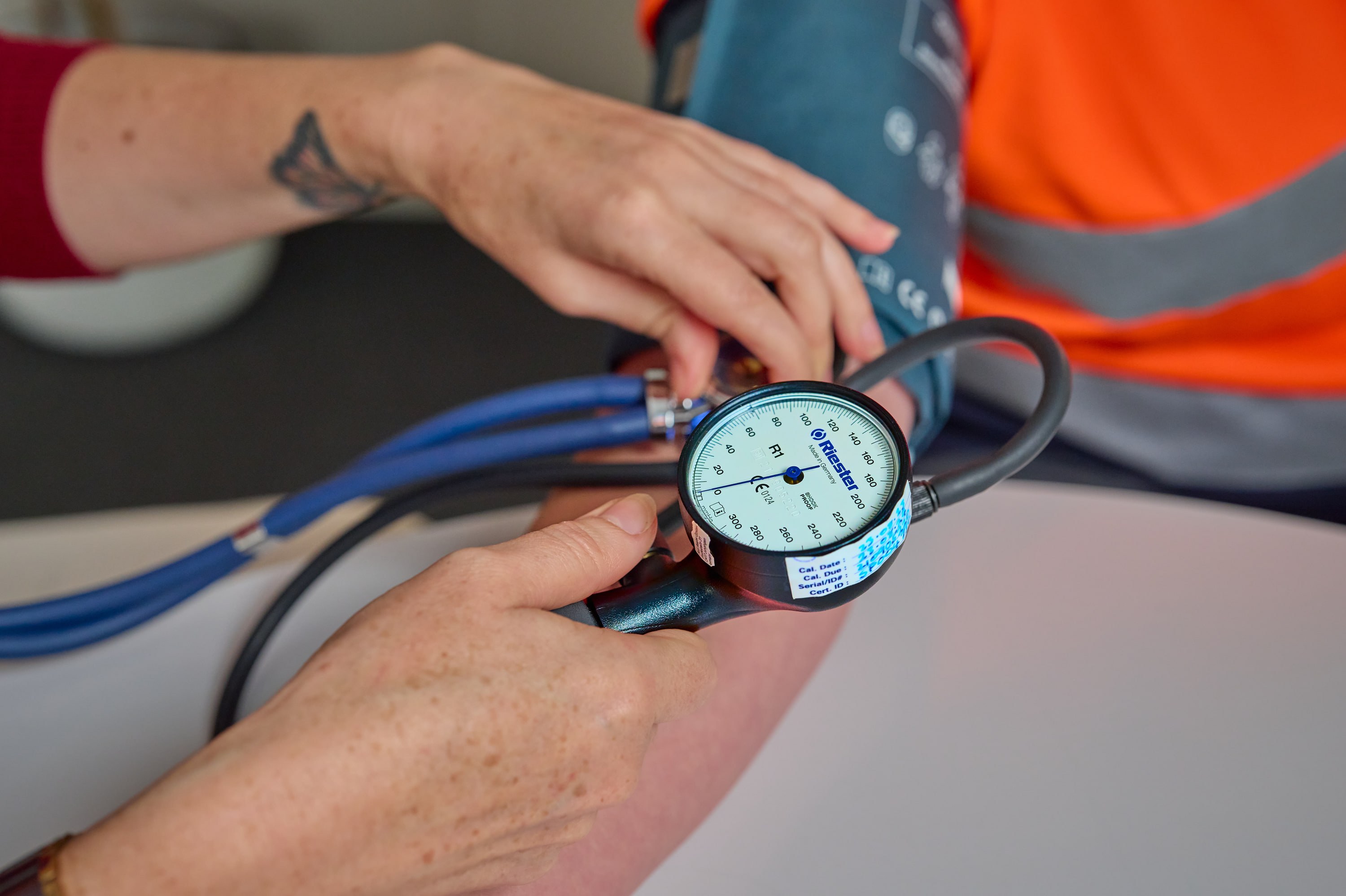
Under the Health and Safety at Work Act 2015, you must monitor the health of workers exposed to certain hazards. We design a programme around your industry, your sites and your people, delivered by registered nurses with oversight from our OEUK-registered physician.
- Pre-employment, annual and exit health monitoring
- Hearing tests (audiometry) and lung function tests (spirometry)
- Vision, skin and biological monitoring
- Cardiovascular (CVD) risk assessments
- Driver medicals
- Serology blood tests
- OEUK offshore, Australian WHA and HUET medicals
- Drug and alcohol testing programmes
- Vaccinations, health risk and workstation assessments
- Regular on-site nursing for larger workforces
OEUK offshore medicals
Many offshore operators, including in Taranaki, ask workers to hold a current OEUK medical (formerly called OGUK) before they go offshore. The medical follows Offshore Energies UK's guidelines and covers a health questionnaire, a physical examination and tests such as hearing, vision and a urine test. Certificates are issued by our OEUK-registered physician and are valid for up to two years.
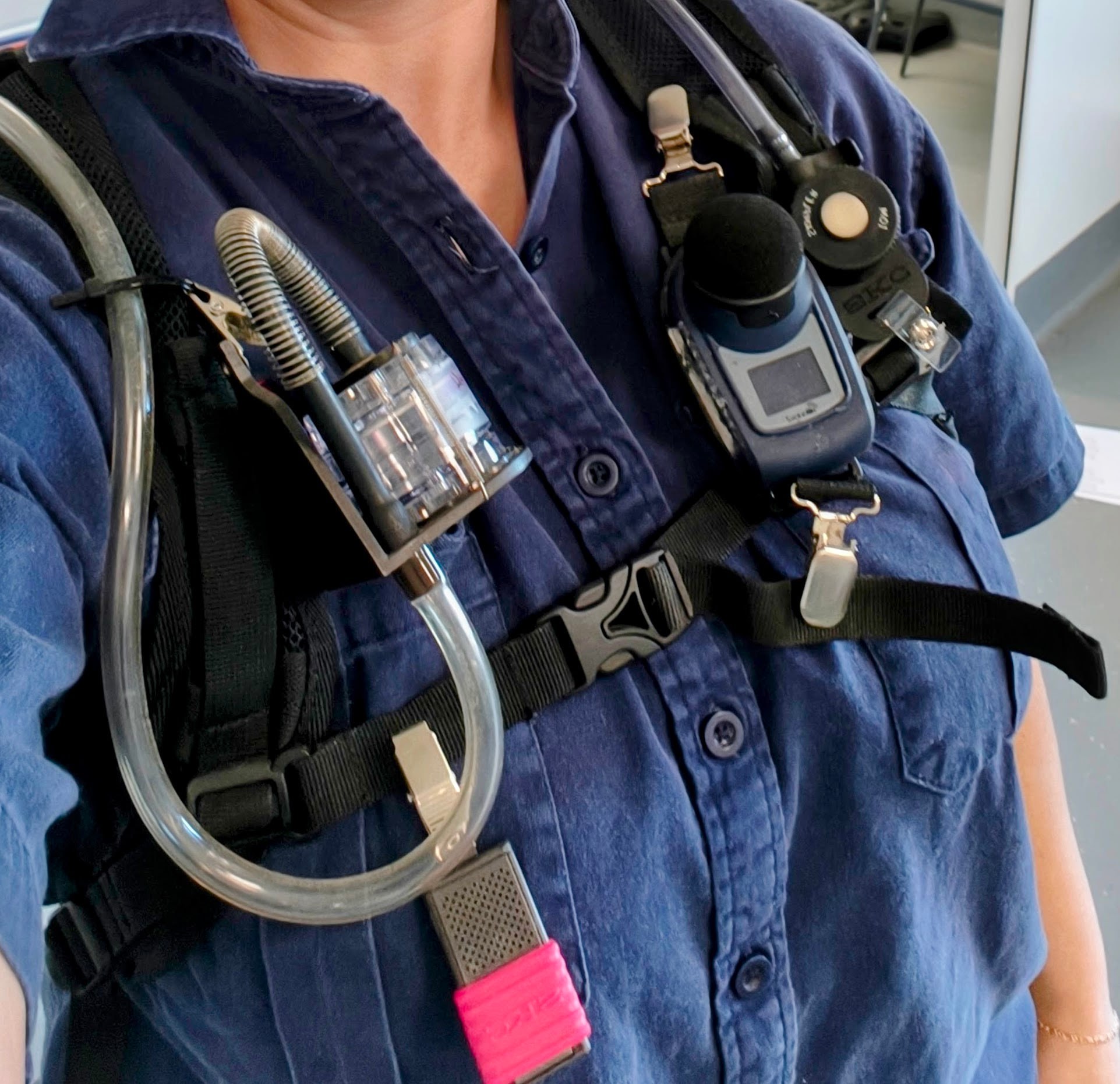
Exposure monitoring: measure what your workers are actually breathing, hearing and absorbing
We measure personal exposure on site and compare it with WorkSafe's Workplace Exposure Standards, so you know whether your controls are working. Samples are analysed by IANZ- or NATA-accredited laboratories, and your report supports updates to your hazard and risk register.
- Dust, crystalline silica, wood dust, welding fume
- Solvents and other volatile organic compounds (VOCs), including BTEX (benzene, toluene, ethylbenzene and xylenes)
- Gases such as ozone
- Noise dosimetry and noise mapping
- Heat and cold stress, vibration and lighting
- Mould and other airborne biological hazards
- Biological monitoring
How we plan the sampling
We design a sampling strategy around your site, processes and hazards: which workers and tasks to sample, for how long and when. We follow recognised methods, mainly from NIOSH, OSHA and AS/NZS standards.
What your report tells you
A written report explains what we measured, how each result compares with WorkSafe's Workplace Exposure Standards, whether your controls are working and what we recommend next. It supports your hazard and risk register and helps you decide who needs health monitoring.
Biological monitoring
Air sampling shows what's in the air. Biological monitoring shows what has actually entered the body, for example from a urine sample, compared with WorkSafe's Biological Exposure Indices. It's useful when chemicals can be absorbed through the skin.
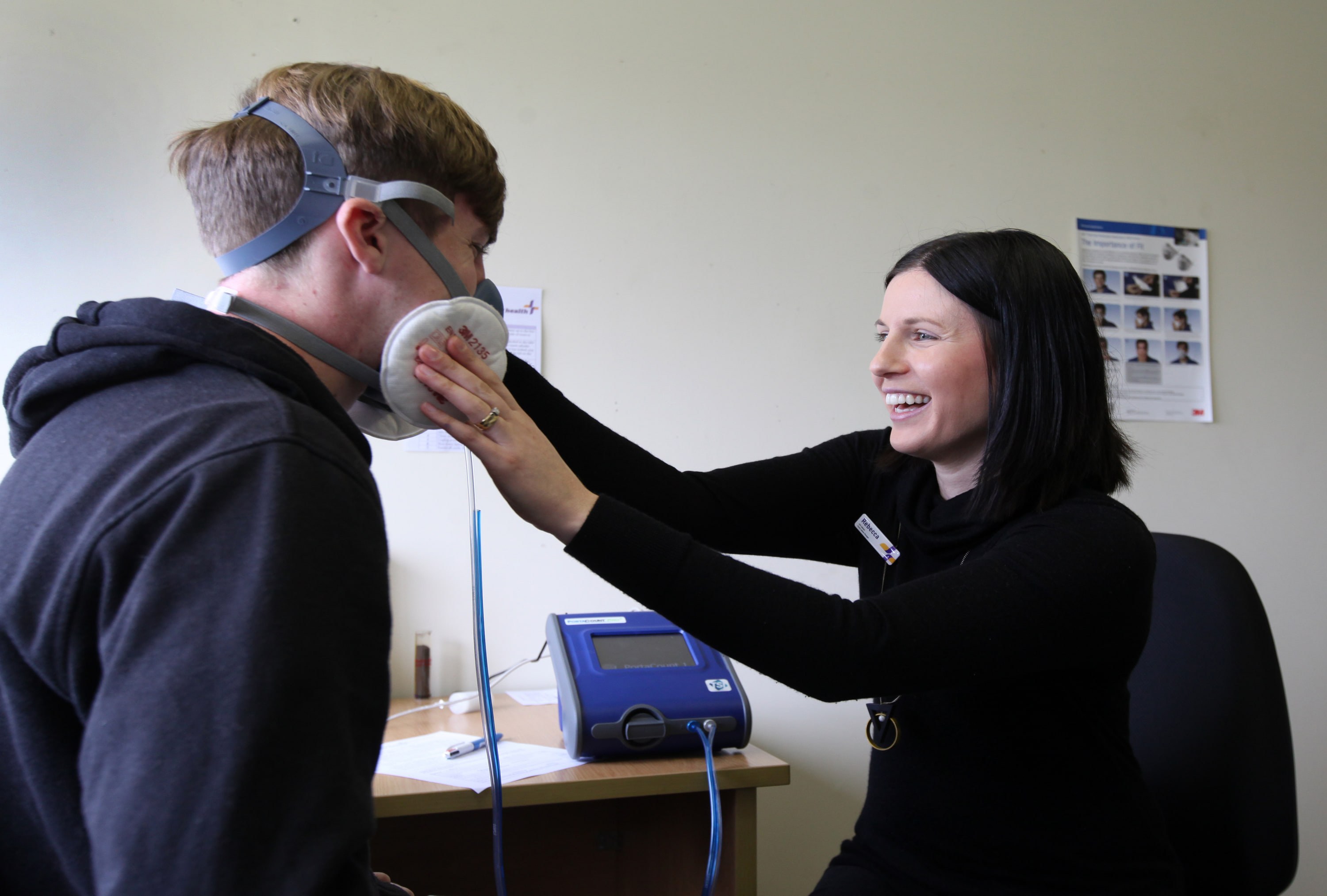
Respirator fit testing: a mask only protects if it seals
Quantitative fit testing to AS/NZS 1715 with two dedicated units, for measurable results. Our trained and experienced fit testing technicians are led by our Commit2Fit practitioner, who also carries out testing. We test at our clinic's fit testing room or on your site, with one-on-one coaching for every worker on their own mask.
- Annual testing for tight-fitting RPE
- Clinic or on-site
- Fit, donning, doffing and seal checks
- Respiratory protection programmes

Health and safety systems that fit how your business actually works
For most small business owners, health and safety is one more job on a long list. Our QHSE (quality, health, safety and environment) consultants make it practical and manageable, without the jargon.
- Specific projects and procedures
- Full system development
- Audits, audit prep and site inspections
- Support with your hazard and risk register
- HSE personnel secondment: one of our consultants working in your team for a set period
- SiteWise and client pre-qualification: the safety checks many large clients ask contractors to complete
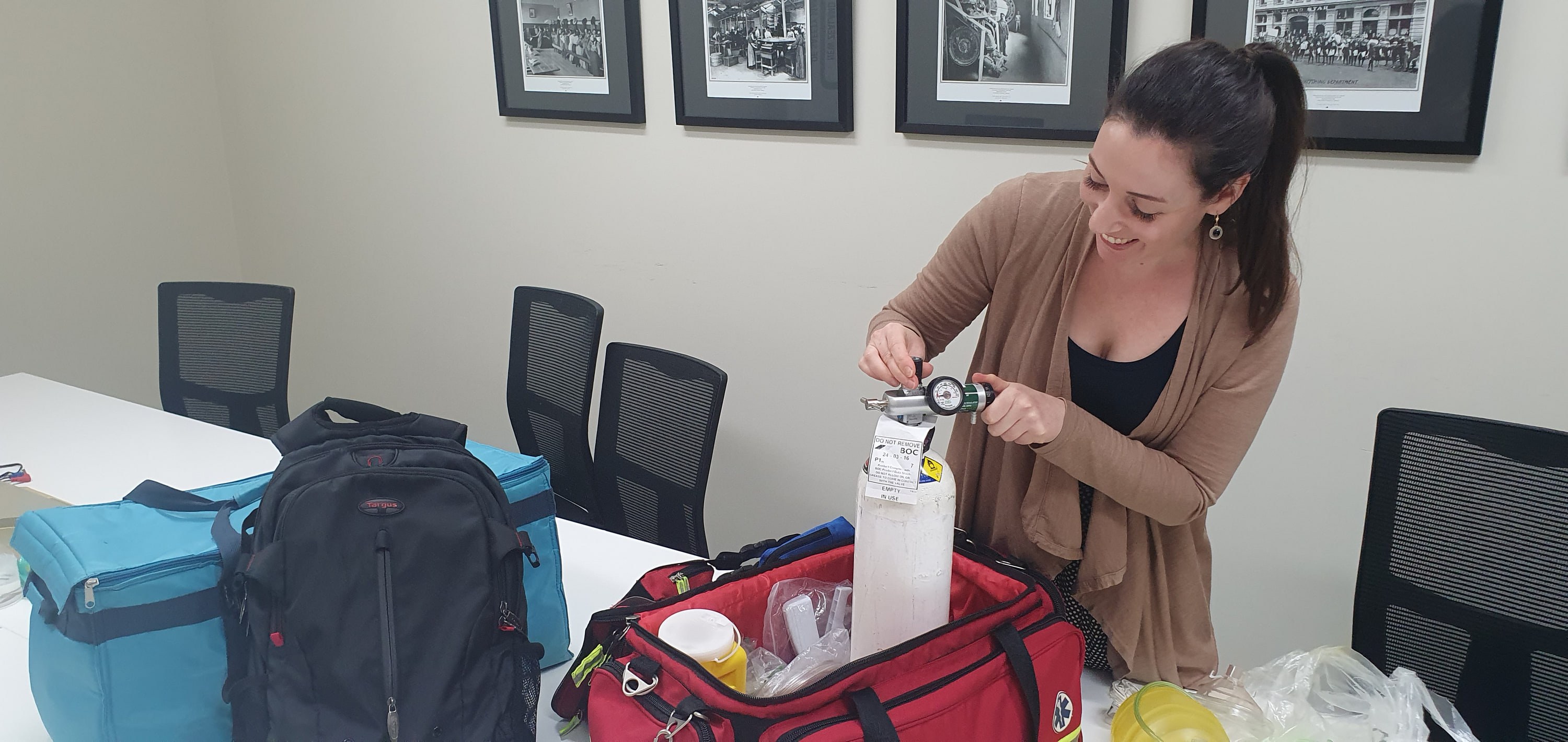
Shutdown and event medics: medic and HSE cover for your biggest projects
We plan and staff the health side of maintenance shutdowns and major events: nurses, paramedics, advanced first aiders and certified drug and alcohol collectors, with 24-hour cover available. Experience includes Ballance Agri-Nutrients (Kapuni) and OMV (Pohokura).
- First aid and emergency response
- Fitness-for-work checks
- Drug and alcohol testing
- Exposure monitoring during works
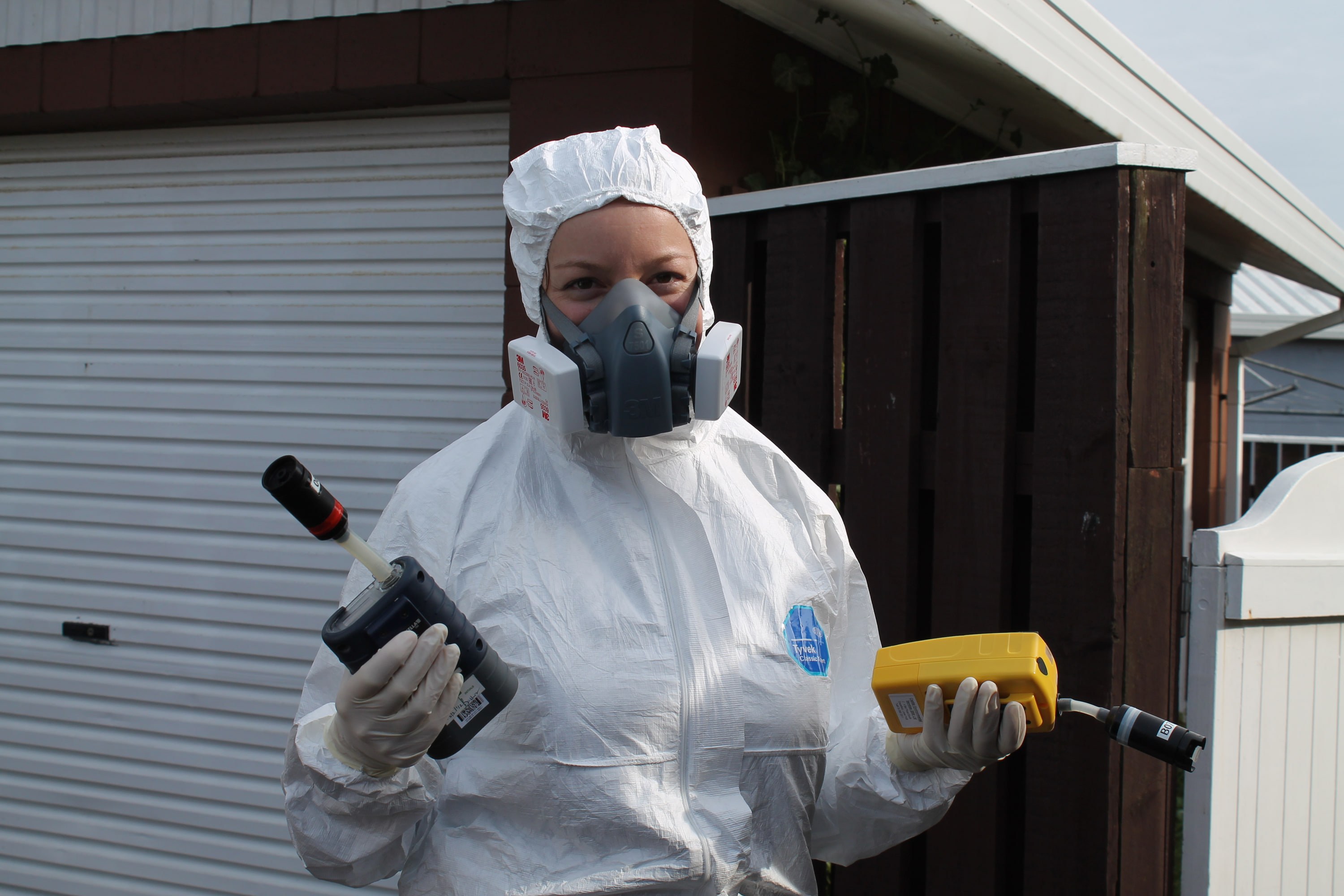
Asbestos assessment: clearance you can rely on
After asbestos removal, the area has to be independently confirmed safe before anyone goes back in. Our WorkSafe-licensed assessors carry out clearance inspections, air monitoring and surface sampling, and issue clearance certificates.
- Class A and Class B clearance
- Air monitoring and surface sampling
- Clearance certificates
- Sampling before renovation or demolition
- Testing samples you bring in
Bringing in a suspected asbestos sample
We test samples for clients and members of the public. Please phone us on 0800 432 000 before you come in, so we can tell you whether a sample is needed and how to take it safely.
- Only bring a small piece, about the size of a 20c coin. We can't accept large pieces or whole sheets.
- Wet the material first to keep dust down, and try not to break or crumble it.
- Seal it in a zip-lock bag, then seal that bag inside a second one.
- Label the bag with your name, phone number, the property address and where in the building the sample came from.
- Bring it to reception, Monday to Friday, 08:15 to 16:00 (not public holidays). Please don't leave samples unattended.
When you drop it off, we'll help you fill in a short form for the chain of custody. Payment is needed at drop-off, before the sample goes for analysis. Results are usually back within one business day.
Not comfortable taking a sample yourself? Our licensed asbestos assessors can come to you.